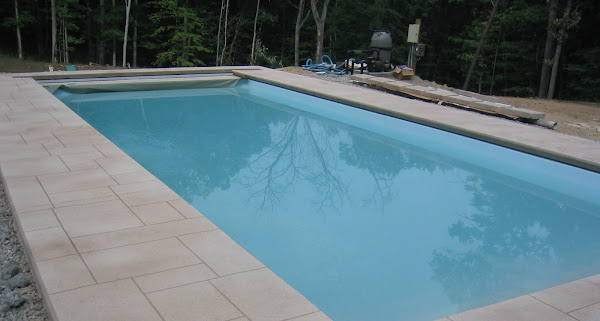
If you’re planning a new patio, driveway, or outdoor living space in Northeast Ohio, at some point you’ll face the question: stamped concrete or pavers? Both are excellent choices for high-end outdoor projects, and both can look genuinely stunning when installed properly. But they’re not the same — and understanding the real differences will help you make the right decision for your specific project, property, and goals.
At Tiny Construction LLC, we’ve built both. Here’s an honest breakdown.
What Is Stamped Concrete?
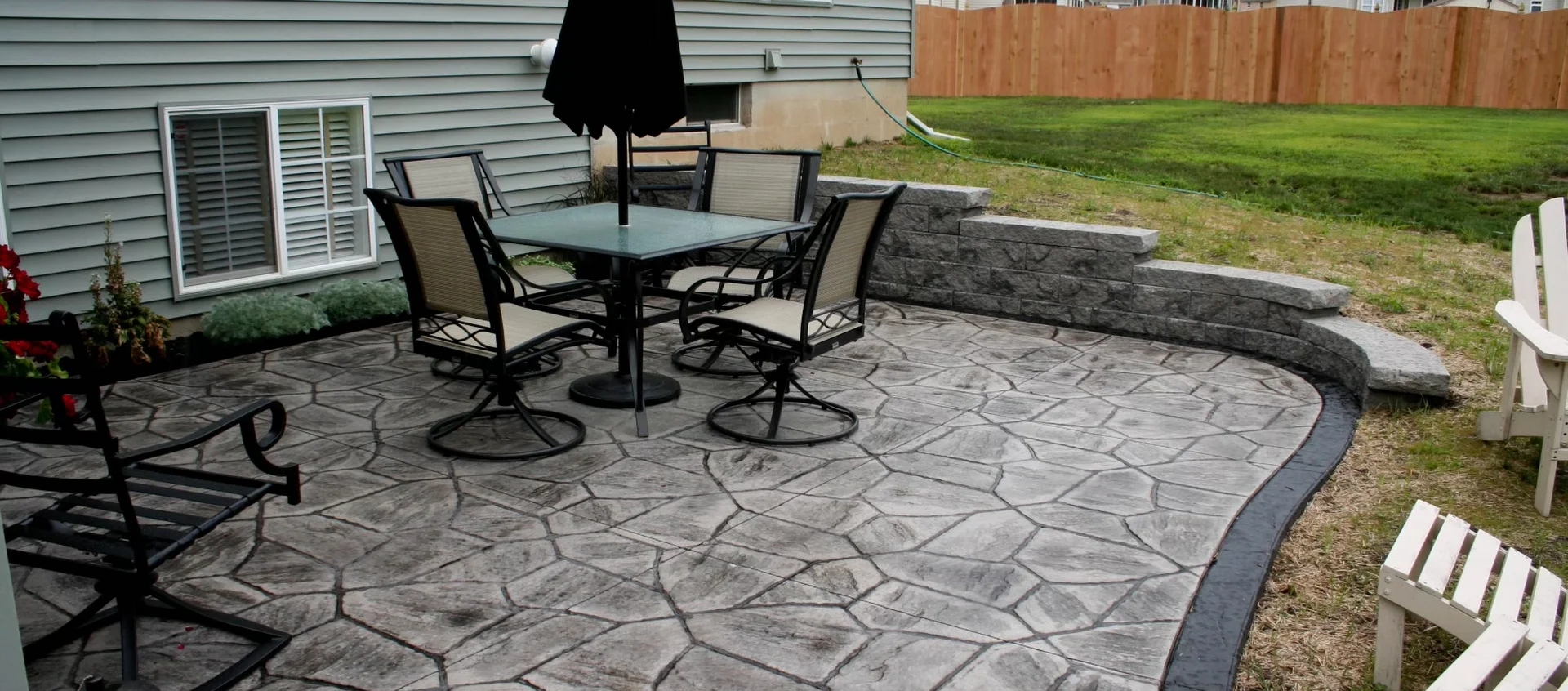
Stamped concrete is poured concrete that’s textured and imprinted with patterns before it cures — replicating the look of natural stone, slate, brick, cobblestone, wood plank, or virtually any other surface. Integral color is added to the mix before pouring, and antiquing or release colors are applied during stamping to create depth and variation. A professional sealer is applied after curing to protect the surface and enhance the color.
When done well by an experienced crew using quality materials, stamped concrete can look virtually indistinguishable from natural materials — and it holds up beautifully in Ohio’s climate when properly installed and maintained.
What Are Pavers?
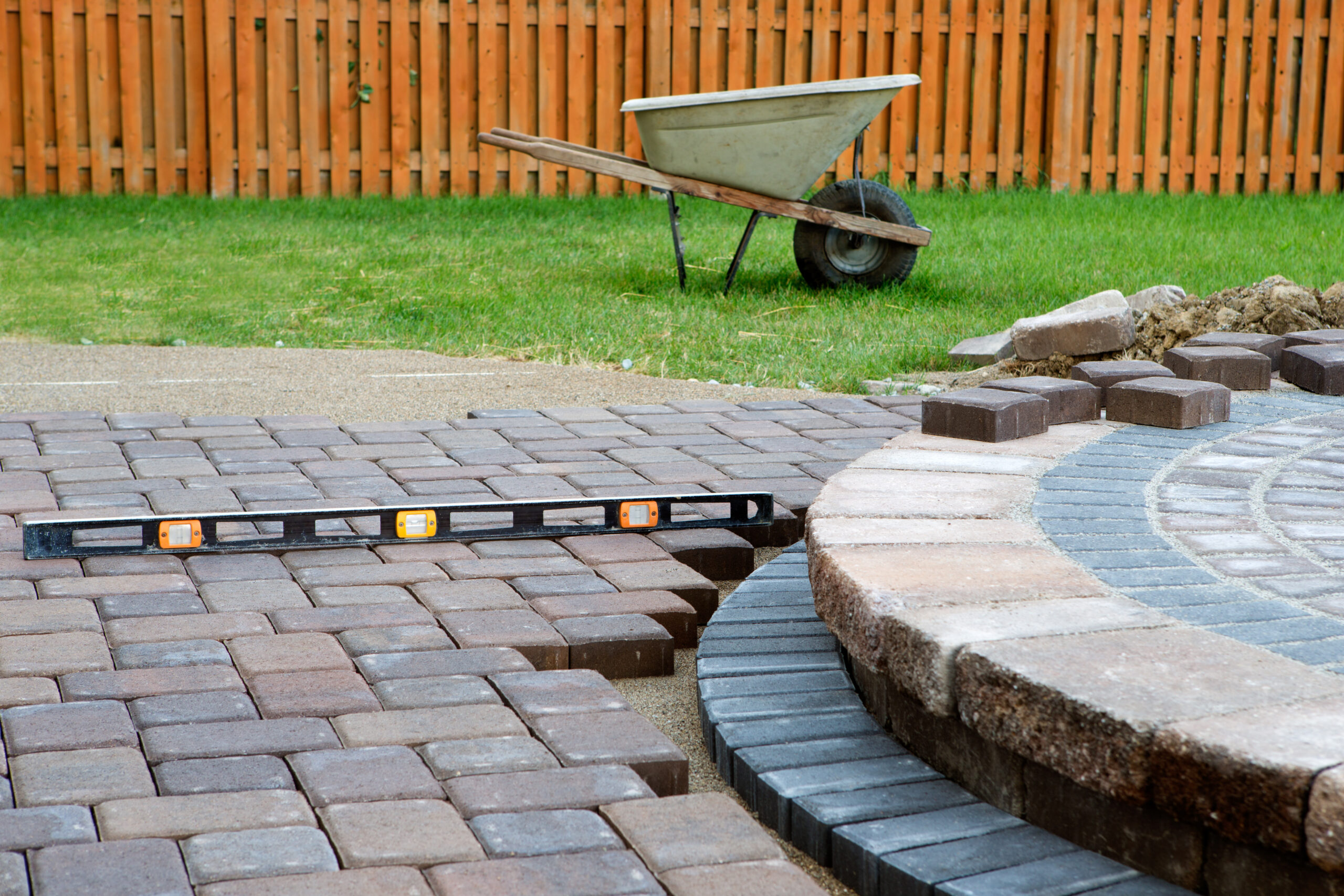
Concrete pavers (or natural stone pavers) are individual units laid over a compacted aggregate base and bedding sand. They come in a wide range of shapes, sizes, colors, and materials — from concrete pavers to natural bluestone, travertine, and granite. The units interlock and are typically filled with joint sand to stabilize the surface.
Cost Comparison
In Northeast Ohio, stamped concrete generally costs less per square foot than comparable natural stone pavers, and slightly less than premium concrete pavers. The gap widens with the complexity of the paver pattern or the quality of the stone selected.
That said, both are premium investments. We don’t work at the budget end of either category — and we’d encourage any homeowner looking to genuinely upgrade their property to view this as an investment rather than a commodity purchase. The quality of installation has far more impact on the long-term result than the material itself.
Durability in Northeast Ohio’s Climate
This is where it gets nuanced — and where installation quality matters most.
Stamped concrete is a monolithic surface. When installed with 4,500 PSI concrete, proper base depth, and correctly placed control joints, it handles Ohio freeze-thaw cycles well. The biggest risk with stamped concrete is poor installation — inadequate base prep, low-strength concrete, missing joints — which leads to cracking and surface delamination over time. Properly installed stamped concrete can last 25–40 years.
Pavers have an inherent advantage in cold climates: individual units can flex slightly with freeze-thaw movement, and if a unit is damaged, it can be replaced individually. However, improperly installed paver systems shift, settle, and develop uneven surfaces. Low-quality pavers can also chip, crack, and fade.
The honest answer: with high-quality installation, both hold up well in Northeast Ohio. With low-quality installation, both fail.
Maintenance Requirements
Stamped concrete requires resealing every 2–4 years, which protects the surface and keeps the color vibrant. Avoid harsh deicers (use sand instead in winter). Beyond that, maintenance is minimal.
Pavers need occasional joint sand replenishment, and polymeric sand applications to control weed growth. Individual units can be removed and reset if settling occurs. Natural stone pavers may require sealing depending on the material.
Design Flexibility
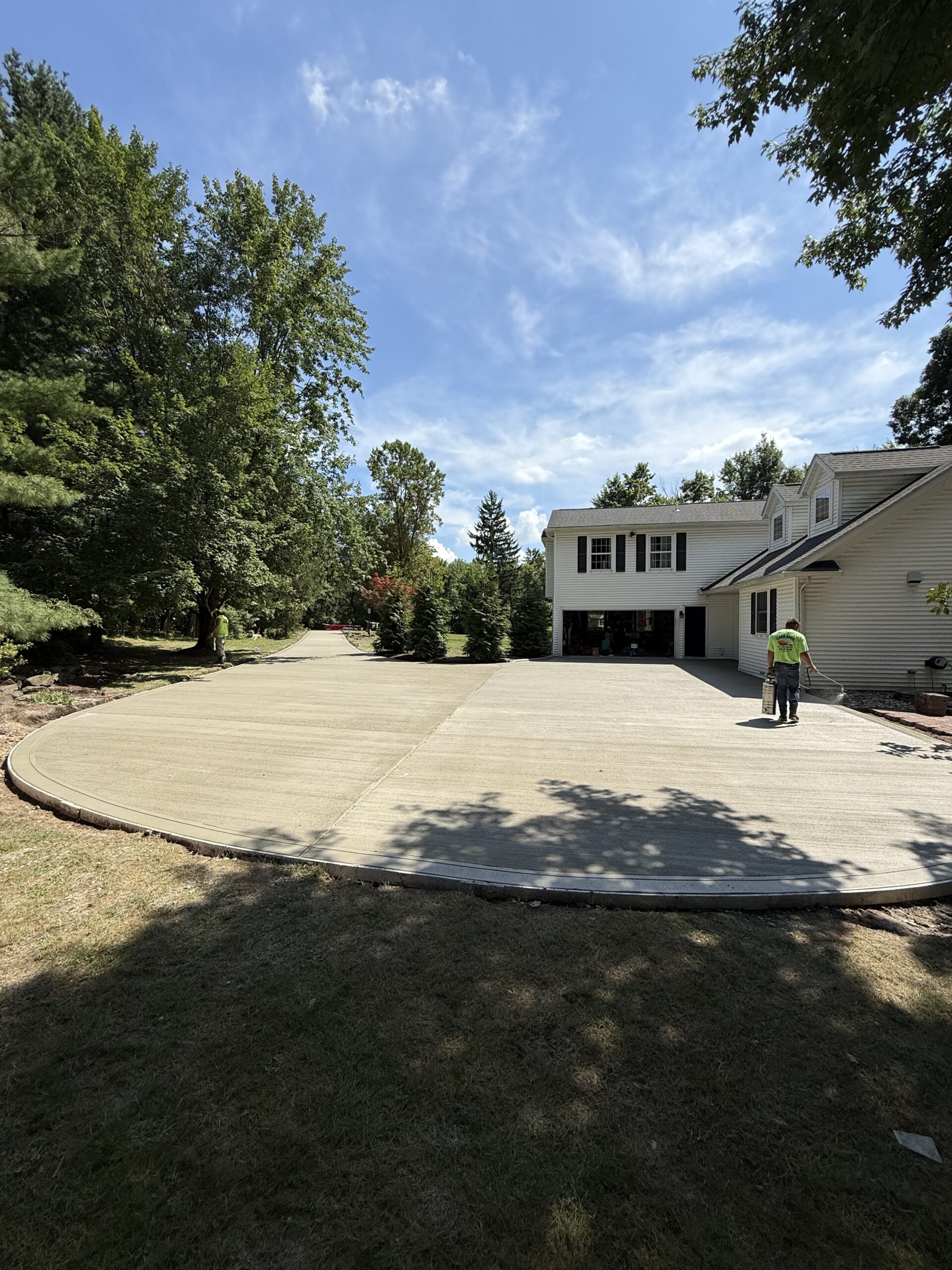
Stamped concrete wins on seamless, continuous design. Large patios, complex shapes, multi-level designs, and custom inlays are all easier to execute in stamped concrete. The surface reads as one cohesive element, which works beautifully in contemporary and transitional design styles.
Pavers win on pattern versatility with individual units — herringbone, basketweave, running bond, circular patterns — and the ability to mix colors and sizes within a single surface.
Which Should You Choose?
Choose stamped concrete if you:
- Want a seamless, large-scale surface without visible joints
- Prefer a slightly lower initial investment for a comparable look
- Want unlimited design flexibility in shape and pattern
- Are building a large driveway where monolithic construction is preferred
Choose pavers if you:
- Want the ability to replace individual units without disturbing the full surface
- Prefer natural stone materials like bluestone or travertine
- Want the very specific look of individual unit jointing
- Are working with a smaller, more defined space
FAQs
Can stamped concrete look as good as natural stone?
Yes — when installed by an experienced crew with quality materials, high-end stamped concrete is genuinely difficult to distinguish from natural stone. The difference is in the craftsmanship.
Do pavers hold up better in Ohio winters than stamped concrete?
Properly installed versions of both hold up well in Ohio’s freeze-thaw climate. The bigger factor is installation quality — not material choice.
Is stamped concrete slippery?
Stamped concrete with a texture stamp and proper sealer provides good traction in most conditions. Anti-slip additive can be mixed into the sealer for pool decks or other high-slip-risk areas.
How long do pavers last vs. stamped concrete?
Both can last 25–40+ years with proper installation and maintenance. High-quality natural stone pavers can last indefinitely. The determining factor is almost always installation quality.
Ready to Talk About Your Project?
Whether you’re leaning toward stamped concrete or pavers, Tiny Construction LLC can help you think through the right choice for your specific project. We serve Westlake, Rocky River, Bay Village, Avon, Avon Lake, Lakewood, Fairview Park, and surrounding Northeast Ohio communities.
Call us at (440) 398-5158 or visit tiny-construction.com to schedule your free consultation. Where craftsmanship meets luxury.